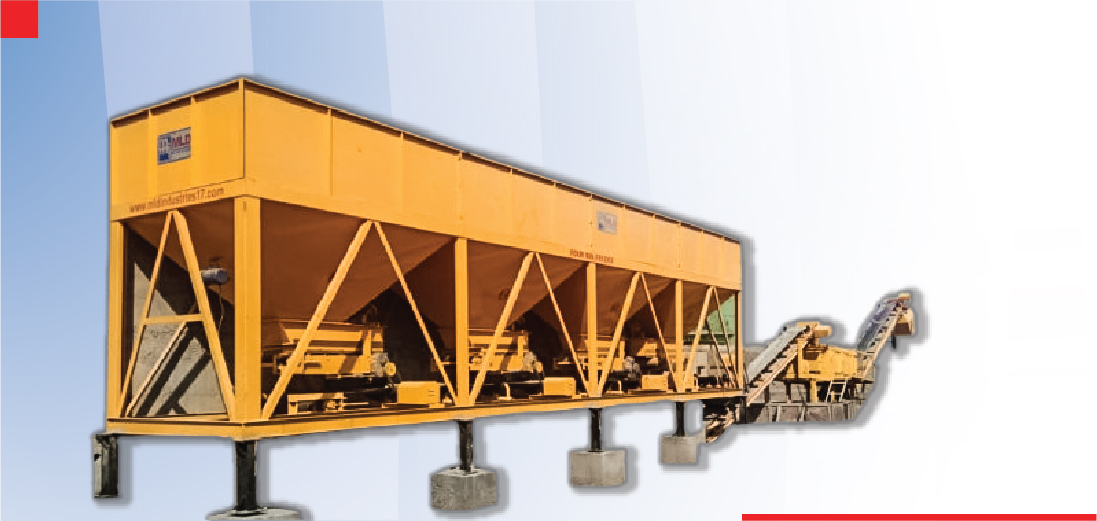
The construction of durable and sustainable road infrastructure relies heavily on efficient and reliable asphalt production. Among the specialized equipment vital for this sector, the Warm Mix Asphalt (WMA) plant stands out for its environmental benefits and operational advantages. As a key player in this field, an 11. WMM Plant Manufacturer is crucial for providing the technology that supports modern road building demands. This guide delves into the significance of WMM plants, their applications, benefits, and how to choose the right manufacturer and equipment.
Understanding Warm Mix Asphalt (WMA) Plants
Warm Mix Asphalt (WMA) technology represents a significant advancement over traditional Hot Mix Asphalt (HMA). Unlike HMA, which requires high temperatures (typically 150°C to 180°C or 300°F to 350°F), WMA is produced and laid at reduced temperatures, generally between 100°C and 135°C (210°F to 275°F). This reduction in temperature is achieved through the use of specialized additives, foaming processes, or a combination of both.
The primary benefit of operating at lower temperatures is a reduction in fuel consumption and greenhouse gas emissions during the production process. Furthermore, WMA often exhibits improved workability, allowing for longer haul distances and paving at lower ambient temperatures, thereby extending the paving season. These plants are designed with specific components to handle the precise temperature control and additive incorporation required for WMA production, ensuring consistent quality and performance.
An effective 11. WMM Plant Manufacturer provides plants that are engineered for efficiency, reliability, and environmental compliance, making them indispensable for modern construction projects aiming for sustainability and cost-effectiveness.
Key Applications and Use Cases
WMM plants are versatile and find applications across a wide spectrum of road construction and maintenance projects:
- ?? New Road Construction: Essential for laying base layers and surface courses in highway, urban, and rural road projects, ensuring long-term durability.
- ?? Road Rehabilitation and Resurfacing: Ideal for overlay projects where the reduced temperature allows for application without damaging existing structures or causing excessive fumes.
- ?? Airport Pavements: The consistent quality and reduced temperature of WMA make it suitable for the demanding requirements of airport runways and taxiways.
- ?? Recycled Materials Integration: WMA technology often facilitates the incorporation of higher percentages of Reclaimed Asphalt Pavement (RAP) and other recycled materials, promoting circular economy principles in construction.
- ?? Extended Paving Season: The improved workability of WMA allows contractors to pave in cooler weather conditions, extending the construction season and project timelines.
Advantages of Utilizing WMM Plants
Investing in a WMM plant from a reputable manufacturer offers numerous advantages:
Selecting the Right WMM Plant Manufacturer
Choosing an 11. WMM Plant Manufacturer is a critical decision that impacts project efficiency, cost, and final pavement quality. Consider the following factors:
Key Selection Criteria
- Technology and Innovation: Look for manufacturers with a proven track record in WMA technology, offering advanced solutions for temperature reduction and additive integration.
- Production Capacity: Ensure the plant's capacity aligns with your project demands. Manufacturers should offer a range of models to suit different scales of operation.
- Reliability and Durability: Investigate the build quality, component robustness, and expected lifespan of the plant. Reputable manufacturers use high-quality materials and adhere to stringent manufacturing standards.
- After-Sales Support and Service: Evaluate the manufacturer's commitment to providing installation, training, spare parts, and maintenance services. Local or regional support can be a significant advantage.
- Customization Options: Some projects may require specific configurations. Assess the manufacturer's flexibility in customizing plants to meet unique operational needs.
- Environmental Features: Prioritize manufacturers who offer plants designed with advanced emission control systems and optimized energy efficiency.
Buyer Insight: Ask the Right Questions
Before committing to a purchase, engage in thorough due diligence. Prepare a list of specific questions for potential 11. WMM Plant Manufacturers:
- What specific WMA technologies does your plant utilize (e.g., foaming, chemical additives, organic additives)?
- Can you provide data on typical fuel consumption and emission reductions compared to traditional HMA plants at specific operating capacities?
- What is the typical lifespan of critical components, and what are the recommended maintenance schedules?
- What training is provided for plant operators and maintenance staff?
- What is the availability and lead time for spare parts in our region?
- Can you share case studies or references from clients who have successfully operated your WMM plants for similar applications?
- What are the options for integrating recycled materials (RAP) into the WMA mixes produced by your plant?
- What are the plant's capabilities for producing different WMA mix designs?
Partnering with MLD Industries
MLD Industries is dedicated to providing robust and efficient solutions for the construction industry. As a provider in the asphalt plant sector, MLD Industries understands the critical role of reliable equipment in achieving project success. We focus on delivering plants that meet stringent quality standards and operational demands. Our commitment extends to ensuring that our clients receive equipment engineered for performance and longevity.
By prioritizing technological advancements and customer support, MLD Industries aims to be a trusted partner for businesses seeking dependable asphalt production capabilities. We strive to equip our clients with the tools necessary to build quality infrastructure while addressing the evolving needs of the construction market, including the growing importance of sustainable practices in road building.
Frequently Asked Questions
What is the main difference between WMA and HMA?
The primary difference lies in the production and laying temperature. WMA is produced and laid at significantly lower temperatures (100-135°C) compared to HMA (150-180°C), achieved through specialized additives or foaming techniques.
Are WMA pavements as durable as HMA pavements?
When produced and compacted correctly, WMA pavements can offer comparable or even superior performance in terms of durability, rutting resistance, and fatigue life to HMA pavements.
What are the environmental benefits of WMA?
WMA significantly reduces greenhouse gas emissions (like CO2), other air pollutants (NOx, VOCs), and lowers energy consumption due to the lower production temperatures.
Can WMM plants use recycled asphalt pavement (RAP)?
Yes, WMA technology generally allows for higher percentages of RAP to be incorporated into the mix compared to traditional HMA, contributing to sustainability and cost savings.
What support does a WMM Plant Manufacturer typically offer?
Reputable manufacturers usually provide support including installation, operator training, maintenance guidance, spare parts supply, and sometimes on-site technical assistance.
Ready to Enhance Your Asphalt Production?
Selecting the right 11. WMM Plant Manufacturer is key to achieving efficient, sustainable, and high-quality road construction. MLD Industries offers reliable solutions designed to meet the demands of modern infrastructure projects. Contact us today to learn more about our WMM plant offerings and how we can support your next project.
Request a Consultation