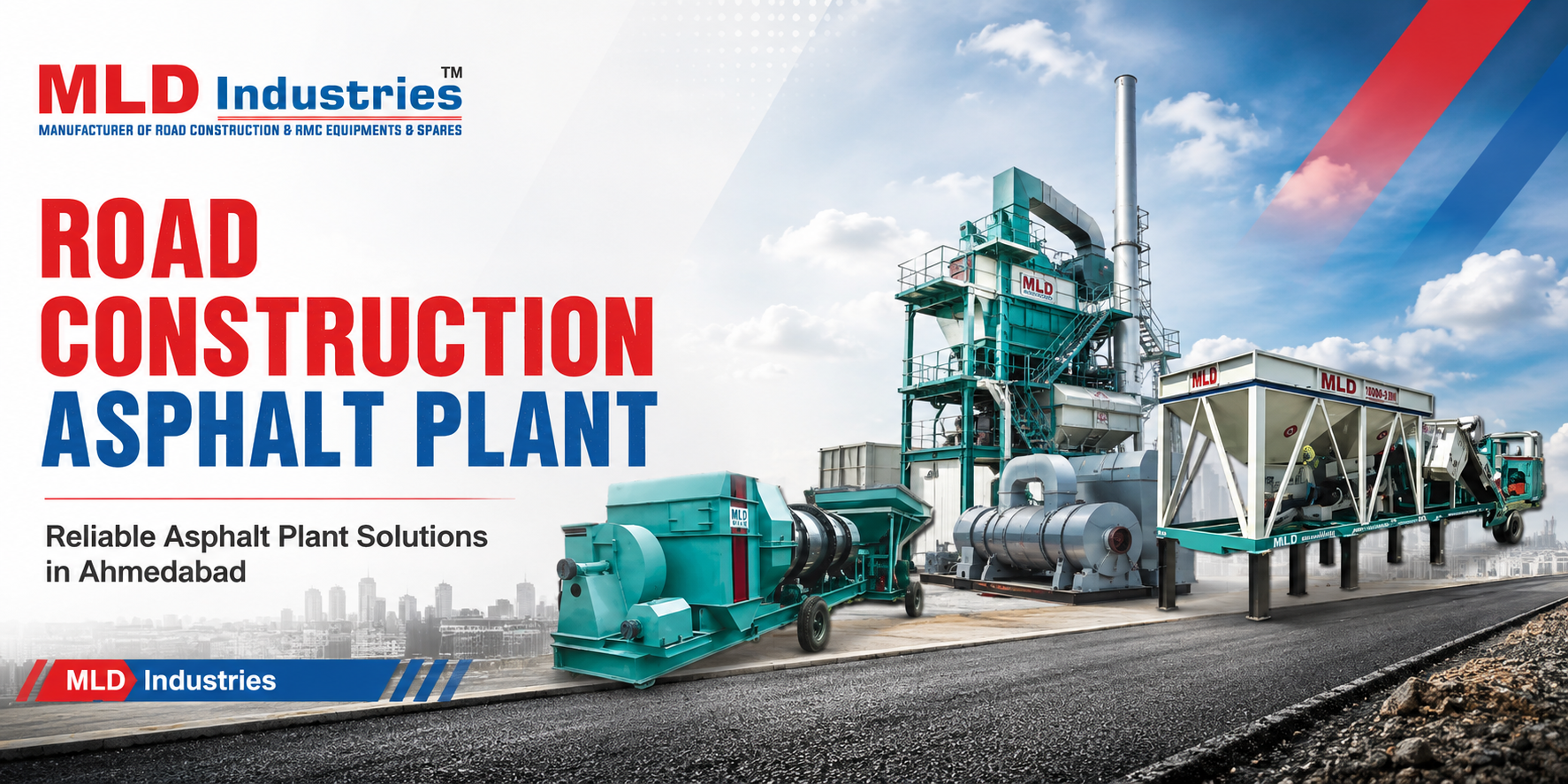
Road Construction Asphalt Plant
Discover reliable road construction asphalt plant solutions in Ahmedabad. MLD Industries offers robust, efficient plants for durable infrastructure projects.
Why This Matters in Ahmedabad
Ahmedabad, a major industrial and commercial hub, experiences constant expansion in its urban and industrial infrastructure. This growth necessitates a continuous upgrade and extension of its road networks, from city streets to connecting highways. Reliable road construction asphalt plants are essential to meet the demand for high-quality hot mix asphalt, ensuring that new roads are built efficiently and existing ones are maintained to support heavy traffic and industrial logistics. Local availability of advanced equipment helps streamline project execution and reduces logistical complexities for contractors.
What is a Road Construction Asphalt Plant — Overview
A road construction asphalt plant is a sophisticated industrial facility designed to produce hot mix asphalt (HMA), a composite material used for paving roads, parking lots, and other surfaces. These plants precisely combine aggregates (sand, gravel, crushed stone), bitumen (asphalt cement), and sometimes fillers or additives, heating them to specific temperatures to create a homogeneous mixture. The most common types include drum mix plants and batch mix plants, each offering distinct operational advantages depending on project scale and specific quality requirements. The output is a durable, flexible paving material capable of withstanding heavy loads and varying weather conditions.
Key Features and Technical Specifications
- High Production Capacity: Designed for continuous output, ranging from 60 to 160 tons per hour or more, to meet diverse project scales.
- Precise Aggregate Proportioning: Utilizes cold aggregate feeders with variable speed drives for accurate material blending.
- Efficient Drying Drum: Equipped with a high-efficiency burner system for thorough drying and heating of aggregates, minimizing fuel consumption.
- Accurate Bitumen Dosing: Features a precise bitumen pumping and spraying system to ensure the correct binder content in the mix.
- Advanced Control System: PLC-based or microprocessor-controlled systems for automated operation, real-time monitoring, and data logging.
- Effective Pollution Control: Incorporates multi-cyclone dust collectors and bag filters to manage emissions and comply with environmental regulations.
- Robust Structural Design: Constructed with heavy-duty components and materials to withstand continuous operation and harsh working conditions.
- Optional Mobility: Some plants are designed for easy dismantling and re-assembly, offering flexibility for projects across different sites.
Industrial Applications and Use Cases
- National and State Highways: Producing large volumes of asphalt for new highway construction and major resurfacing projects.
- Urban Road Networks: Supplying hot mix asphalt for city streets, arterial roads, and residential area paving.
- Airport Runways and Taxiways: Manufacturing specialized asphalt mixes that meet stringent specifications for aircraft loads and durability.
- Industrial Paving: Creating durable surfaces for factory premises, logistics parks, and heavy-duty industrial yards.
- Bridge Decks and Overpasses: Providing high-strength asphalt mixes for structural paving applications.
- Road Repair and Maintenance: Supplying materials for patching, overlaying, and routine upkeep of existing road infrastructure.
- Commercial and Residential Developments: Paving access roads, parking areas, and internal pathways within new developments.
How to Choose the Right Road Construction Asphalt Plant
Selecting an asphalt plant involves careful consideration of several factors to ensure it aligns with project demands and operational efficiency. A thorough evaluation helps prevent costly delays and ensures consistent material quality.
- Production Capacity: Match the plant's output (tons per hour) to your project's daily and overall volume requirements.
- Mix Quality and Consistency: Assess the plant's ability to produce uniform, high-quality asphalt mixes consistently, meeting relevant standards.
- Energy Efficiency: Evaluate the fuel consumption rates for the drying drum and heating systems to manage operational costs.
- Environmental Compliance: Verify that the plant's dust collection and emission control systems meet local and national environmental regulations.
- Automation and Control: Consider the level of automation and the sophistication of the control system for ease of operation and precise mix management.
- Durability and Component Quality: Inspect the build quality of key components like burners, feeders, and mixing units for long-term reliability.
- Supplier Experience and Support: Choose a manufacturer with a proven track record, offering comprehensive after-sales service, spare parts, and technical assistance.
- Customization Options: Determine if the plant can be tailored with specific features or configurations to suit unique project needs or material specifications.
Quality Standards and Compliance
Adherence to quality standards is non-negotiable for road construction asphalt plants. Buyers should verify that the equipment complies with relevant national and international standards, such as ISO certifications for manufacturing processes and specific Indian Standards (IS codes) for asphalt mix design and equipment performance. This includes ensuring the plant's components meet material specifications and that its output consistently produces asphalt conforming to project requirements. Verifying certifications like ISI marks for specific components or overall plant design provides an assurance of quality and reliability. A reputable supplier will readily provide documentation for their manufacturing processes and product testing.
Why Company Experience and Capability Matters
The long-term success of any road construction project relies heavily on the quality and reliability of its equipment. MLD Industries, founded in 2004 by Mr. Poonam Panchal, brings over three decades of expertise in the road construction sector. This extensive experience translates into a deep understanding of operational challenges and the engineering required for robust asphalt plants. The company's manufacturing process emphasizes precision and durability, utilizing quality materials and skilled craftsmanship. Mr. Jaimin Panchal, CEO, continues this legacy, ensuring that MLD Industries maintains its focus on technical capability, stringent quality control, and the ability to customize solutions for diverse project needs. This commitment to quality and reliable delivery, backed by a dedicated after-sales support team, provides clients with dependable equipment that performs consistently on site.
Installation, Maintenance and Care Tips
Proper installation and routine maintenance are crucial for maximizing the lifespan and efficiency of a road construction asphalt plant. Following manufacturer guidelines for setup ensures optimal performance from day one.
- Site Preparation: Ensure a level, stable foundation capable of supporting the plant's weight and operational vibrations.
- Component Assembly: Follow the manufacturer's detailed instructions for assembling each module, ensuring all connections are secure and aligned.
- Electrical and Fuel Connections: Engage qualified technicians for all electrical wiring and fuel line installations to ensure safety and proper functionality.
- Regular Inspections: Conduct daily visual checks of all moving parts, belts, chains, and burners for wear, damage, or misalignment.
- Lubrication Schedule: Adhere strictly to the recommended lubrication schedule for all bearings, gears, and other mechanical components.
- Dust Collector Maintenance: Regularly clean or replace bag filters and inspect the dust collection system for blockages or damage to maintain air quality compliance.
- Burner System Checks: Periodically inspect the burner nozzle, electrodes, and fuel supply system to ensure efficient combustion and prevent soot buildup.
- Calibration: Recalibrate weighing and dosing systems regularly to maintain accuracy in aggregate, bitumen, and filler proportions.
- Operator Training: Ensure all plant operators are thoroughly trained on safe operation, routine maintenance, and troubleshooting procedures.
Frequently Asked Questions
The typical lifespan of a well-maintained asphalt plant can range from 15 to 25 years or even longer. Factors influencing this include the quality of initial manufacturing, the intensity of its usage, and the consistency of its maintenance schedule. Regular servicing, timely replacement of worn parts, and adherence to operational guidelines significantly extend the plant's operational life.
An asphalt plant directly contributes to road quality by producing a consistent, high-quality hot mix asphalt. Its precise control over aggregate sizing, bitumen content, and mixing temperatures ensures the final product has the correct strength, flexibility, and durability. This consistency is vital for creating roads that can withstand heavy traffic, varying weather conditions, and resist premature cracking or rutting.
Operating an asphalt plant involves several environmental considerations, primarily related to air emissions and noise. Modern plants incorporate advanced pollution control systems, such as multi-cyclone dust collectors and bag filters, to minimize particulate matter. Additionally, efforts are made to optimize fuel efficiency to reduce greenhouse gas emissions and to manage noise levels, especially in proximity to residential areas.
Yes, many road construction asphalt plants can be customized to meet specific project requirements. Customization options often include varying production capacities, integrating different types of aggregate feeders, or adding specialized bitumen heating systems. Suppliers can also configure plants for specific fuel types or incorporate advanced automation features to align with unique operational demands or material specifications.
Asphalt plants commonly use various types of fuel to heat aggregates and bitumen. The most prevalent fuels include light diesel oil (LDO), furnace oil (FO), and natural gas. The choice of fuel often depends on local availability, cost-effectiveness, and environmental regulations. Some modern plants are also designed to be compatible with alternative fuels to enhance operational flexibility and reduce carbon footprint.
A drum mix asphalt plant produces hot mix asphalt in a continuous process, where aggregates are dried and mixed with bitumen within a single rotating drum. In contrast, a batch mix plant processes materials in discrete batches. Aggregates are dried in a separate dryer, then transferred to a mixing tower where they are weighed, mixed with bitumen, and discharged. Drum mix plants are generally favored for high-volume, continuous production, while batch mix plants offer greater flexibility for changing mix designs.
Conclusion
The development of durable and reliable road infrastructure in Ahmedabad hinges on the efficiency and quality of the road construction asphalt plant. Choosing the right equipment involves a careful assessment of technical specifications, production capacity, and adherence to quality standards. Partnering with an experienced manufacturer that understands local demands and provides robust, well-supported machinery is crucial for project success. Such a collaboration ensures that the foundational materials for our roads are consistently of the highest quality, contributing to lasting infrastructure.
Get In Touch
Mld Industries