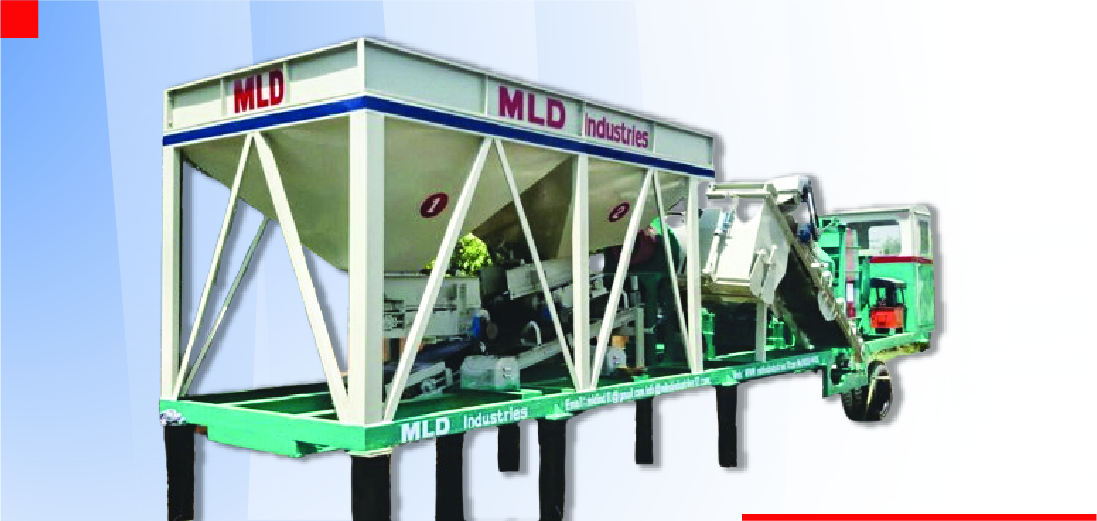
The construction industry constantly seeks efficiency, mobility, and consistent material quality. In road construction and other civil engineering projects, the reliable supply of high-quality base and sub-base materials is paramount. This is where the 14. Mobile Wet Mix Plant emerges as a critical piece of equipment, offering a versatile and cost-effective solution. These plants are designed to produce wet mix aggregate, a fundamental component in modern infrastructure development. By bringing production capabilities directly to the project site, mobile wet mix plants significantly streamline logistics and ensure timely material availability. This guide delves into the intricacies of mobile wet mix plants, their applications, benefits, and essential considerations for selection, highlighting how MLD Industries provides effective solutions to meet these demands.
Understanding the 14. Mobile Wet Mix Plant
A 14. Mobile Wet Mix Plant is a self-contained, transportable unit engineered for the precise mixing of aggregates, binder (like cement or lime), and water to create a homogenous wet mix material. Unlike stationary plants, its primary advantage lies in its ability to be easily moved from one construction site to another. This mobility is crucial for projects spread over large areas or for contractors who undertake multiple assignments in different locations.
The core function involves accurately proportioning raw materials – typically sourced locally – and blending them in a controlled environment. This process ensures that the resulting wet mix aggregate meets specific project requirements for strength, durability, and workability. The key components of such a plant generally include hoppers for aggregate storage, a precise weighing system (weigh batcher), a robust mixing drum or mixer, and often, a dust collection system to manage emissions.
The term 'wet mix' refers to the process where water is added to the aggregate and binder mix during the blending stage, resulting in a material with a specific moisture content. This controlled moisture is vital for achieving optimal compaction and performance in road construction layers. The 'mobile' aspect signifies the plant's design for easy transportation, often via trailer or skids, allowing for rapid deployment and relocation.
Key Applications and Use Cases
The versatility of a 14. Mobile Wet Mix Plant makes it indispensable across a range of civil engineering and infrastructure projects:
Road Construction
Essential for producing base and sub-base layers, ensuring consistent material quality for durable road infrastructure.
Airport Pavements
Provides the necessary aggregate materials for airport runways, taxiways, and aprons requiring high-performance layers.
General Civil Works
Supports various construction projects, including building foundations, canal lining, and other earthworks requiring stabilized materials.
Remote Project Sites
Ideal for locations where establishing a permanent, large-scale mixing plant is impractical or too costly.
Practical Benefits of Mobile Wet Mix Plants
Deploying a 14. Mobile Wet Mix Plant offers substantial advantages for construction operations:
- Enhanced Mobility and Flexibility: Easily relocated to different project sites, reducing transportation costs and enabling on-demand production closer to where materials are needed.
- Consistent Material Quality: Engineered for precise aggregate proportioning, water addition, and efficient mixing, ensuring a uniform and high-quality wet mix material batch after batch.
- Reduced Logistics Costs: Eliminates the need for long-distance transportation of finished materials from fixed plants, saving time and fuel.
- Optimized Project Timelines: On-site production capability means less downtime waiting for material deliveries, helping projects stay on schedule.
- Adaptability to Project Scale: Suitable for a wide range of project sizes, from smaller local roads to extensive infrastructure developments.
Selecting the Right 14. Mobile Wet Mix Plant
Choosing the appropriate mobile wet mix plant involves careful consideration of several factors to match your project's specific needs:
Key Selection Criteria:
- Throughput Requirements: Evaluate the volume of wet mix aggregate needed for your project and choose a plant capable of meeting those demands efficiently.
- Aggregate Handling: Consider the types and sizes of aggregates you will be using and ensure the plant's hoppers and feeding systems can accommodate them.
- Mixing Efficiency: Look for plants with robust mixing mechanisms designed for thorough blending of aggregates, binder, and water to achieve homogeneity.
- Mobility and Setup: Assess how easily the plant can be transported, installed, and commissioned at a new site. Simpler setup procedures save valuable time and labor.
- Maintenance and Durability: Opt for plants constructed with durable materials and designed for ease of maintenance to minimize downtime and ensure longevity.
- Environmental Considerations: Check for features like dust suppression systems that help comply with environmental regulations.
? Buyer Insight: Before making a decision, thoroughly understand your project's specific material requirements, site conditions, and logistical constraints. This detailed assessment will guide you toward a mobile wet mix plant that offers the best balance of performance, cost-effectiveness, and operational ease.
Questions to Ask Before Purchasing:
What is the plant’s designed output capacity, and can it be scaled?
Understanding the plant's production rate is crucial for matching it to your project's timeline. Inquire if the capacity is fixed or if there are options for adjustment.
How is the material batching and mixing process controlled for consistency?
Reliable batching and mixing systems are key to material quality. Ask about the technology used for accurate weighing and efficient blending.
What are the requirements for transportation and on-site setup?
Investigate the logistics involved in moving the plant and the time and resources needed for installation and commissioning at each new location.
What maintenance is typically required, and are spare parts readily available?
Proactive maintenance is essential for operational continuity. Understand the recommended service intervals and the availability of critical spare parts.
MLD Industries: Your Partner for Mobile Wet Mix Solutions
MLD Industries is dedicated to providing robust and efficient construction equipment, including a range of mobile wet mix plants designed to meet the dynamic needs of modern infrastructure projects. We understand the challenges faced by contractors, from logistical hurdles to the demand for consistent material quality. Our mobile wet mix plants are manufactured with a focus on reliability, ease of operation, and mobility, ensuring that you can produce high-quality wet mix aggregate precisely where and when you need it.
We offer construction equipment solutions that support the backbone of development, empowering projects with dependable machinery. By choosing MLD Industries, you gain access to equipment engineered for performance and backed by a commitment to supporting your operational success. We focus on delivering practical, high-value solutions that enhance project efficiency and contribute to the creation of durable infrastructure.
Frequently Asked Questions
What is wet mix aggregate used for?
Wet mix aggregate is primarily used in road construction for base and sub-base layers. Its controlled moisture content ensures excellent compaction and load-bearing capacity, contributing to the longevity of the road.
How is a mobile wet mix plant different from a stationary one?
The main difference is mobility. A mobile plant can be transported and set up at various project sites, offering flexibility and reducing transportation costs of materials. Stationary plants are fixed in one location and typically designed for larger, long-term operations.
Can a mobile wet mix plant produce other types of materials?
While primarily designed for wet mix aggregate, some mobile plants can be adapted or are versatile enough to produce other stabilized materials with specific mix designs, depending on their configuration.
What are the main advantages of on-site production?
On-site production significantly cuts down on transportation logistics and costs, ensures a timely supply of materials, and allows for better quality control over the aggregate mix as it is produced close to its point of use.
Ready to Enhance Your Project's Efficiency?
Discover how MLD Industries' 14. Mobile Wet Mix Plants can revolutionize your construction operations. Contact us today to discuss your project requirements and find the ideal solution for your aggregate production needs.
Request a Solution